Her courage and sustained advocacy helped create space for other survivors to find their voices. Over time, many survivors who had remained silent, even some who had been diagnosed before her, began speaking publicly, sharing their experiences and joining the growing movement for cancer advocacy.
ACF’s impact extends beyond the programmes it delivers. The Foundation has helped strengthen the voice, visibility and confidence of cancer survivors within Nigeria’s cancer community, demonstrating the power of lived experience to inspire advocacy, influence conversations and help shape change.
MY TREATMENT OPENED MY EYES.
My experience as a patient who ended up staying in a cancer centre in Nigeria after several attempts to travel abroad for treatment failed, exposed me to many of the challenges within our health system and the realities confronting people affected by cancer. The gaps in cancer awareness, access, resources and support at the time got revealed to me, and I began to understand that the cancer problem extended far beyond the hospital walls.

Coming from a media background, I naturally began documenting my experience. I started to realise that my journey could be more than something I simply survived. It could become something I could use to educate, encourage and advocate for others.

After completing treatment, I made a conscious decision to speak publicly about my experience.

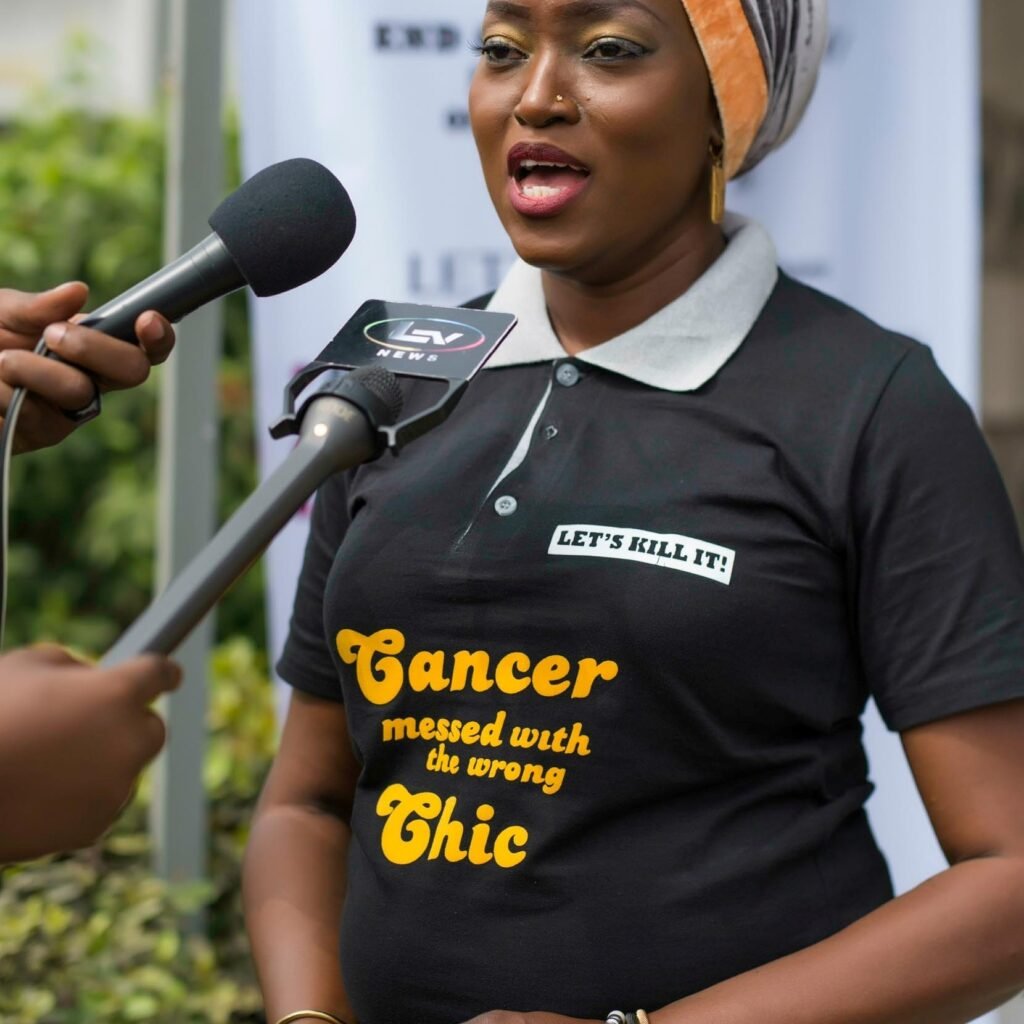
Through traditional and new media, I began sharing my story. I started a blog, shared my experiences on Facebook fortnightly and created a WhatsApp community called LET'S KILL IT! CANCER ADVOCACY GROUP, of more than 100 members.
The message was simple:

LET'S KILL IT! LET'S KILL CANCER!

Not just the cancer—but the fear, stigma, myths, silence and ignorance surrounding it.
TAKING THE MESSAGE TO THE STREETS
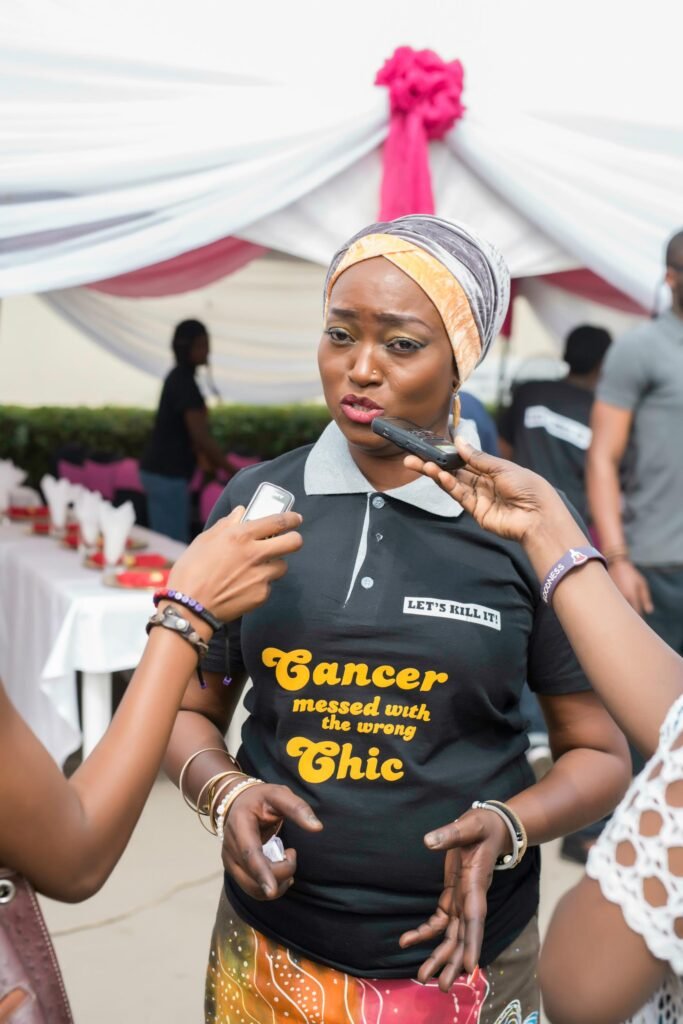
Barely two months later, on 4 February 2017, I gathered many of the same supporters, this time taking the message beyond the hospital and into the streets of Lagos Island.
Together with a Nigerian Nollywood celebrity friend, Charles Oputa a.k.a whose dear friend, Tina Onwudiwe had died of breast cancer some years back, we took cancer awareness directly to the public.
This was also the beginning of our free health screening and health-check activities.
That same day, I attended a school gathering to deliver another cancer advocacy message.
The work was no longer simply about telling my story.
It was about making sure other people had the information.
WHEN ONE VOICE BECAME MANY
Over time, cancer survivors who had lived through their diagnosis but had remained silent began sprouting up and coming forward from different parts of the country. Some began sharing their stories publicly. Others found the confidence to participate in advocacy. Some went on to become advocates themselves.
Many had been diagnosed even before me, but stigma and fear had made it difficult for them to speak.
Seeing another survivor speak openly helped show them that they could speak too.
And that, for me, is one of the most meaningful dimensions of this journey.
ACF’s impact is therefore not measured only by the programmes we have delivered, the communities we have reached or the people we have supported.
Our impact is measured not only by the lives we touch, but also by the voices that have emerged through our persistent, compassionate, and unwavering advocacy for cancer awareness, early detection, and patient support.
FROM A PERSONAL STORY TO A PUBLIC CONVERSATION
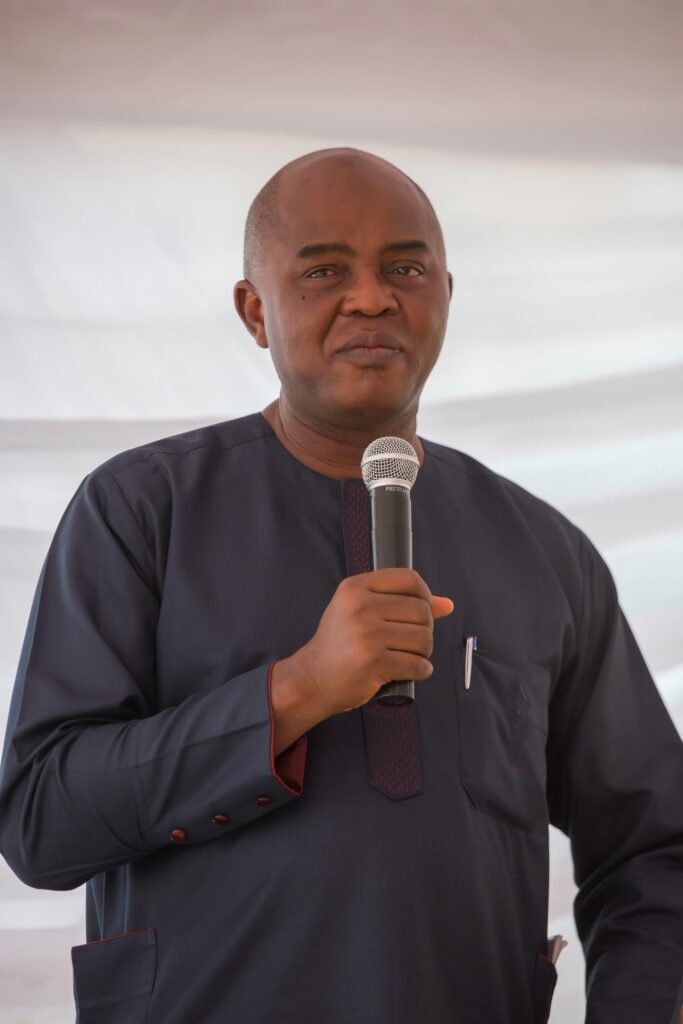
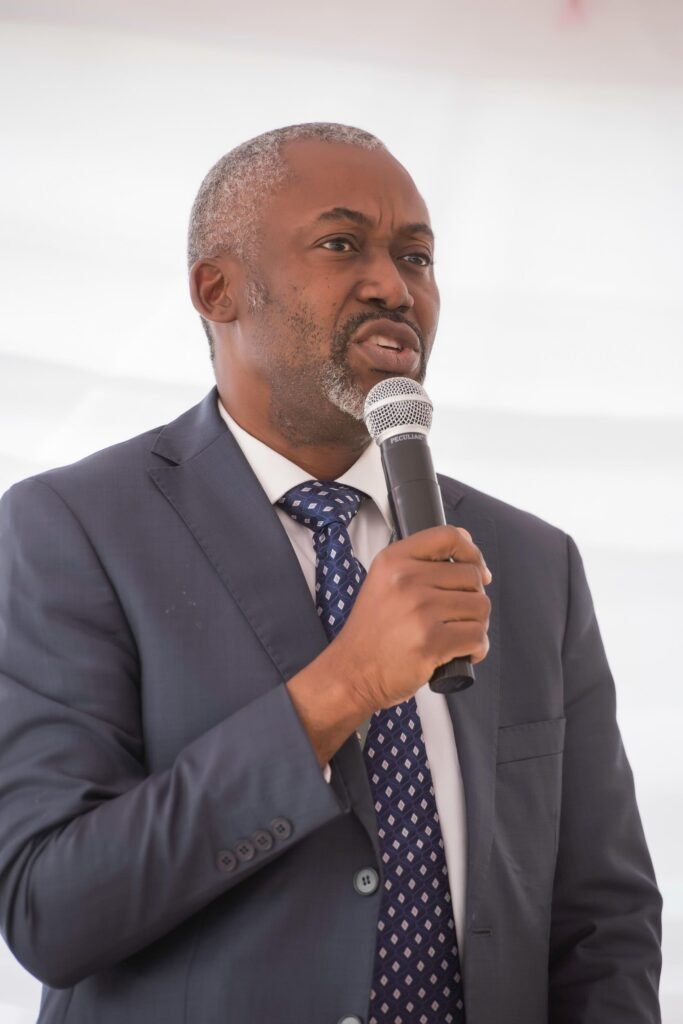
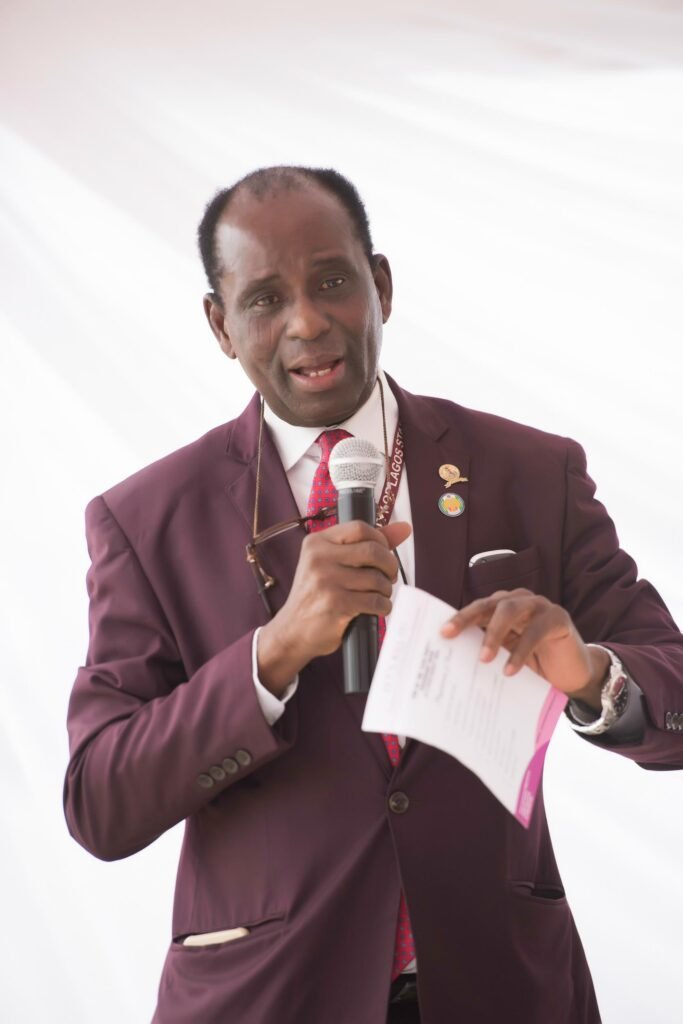
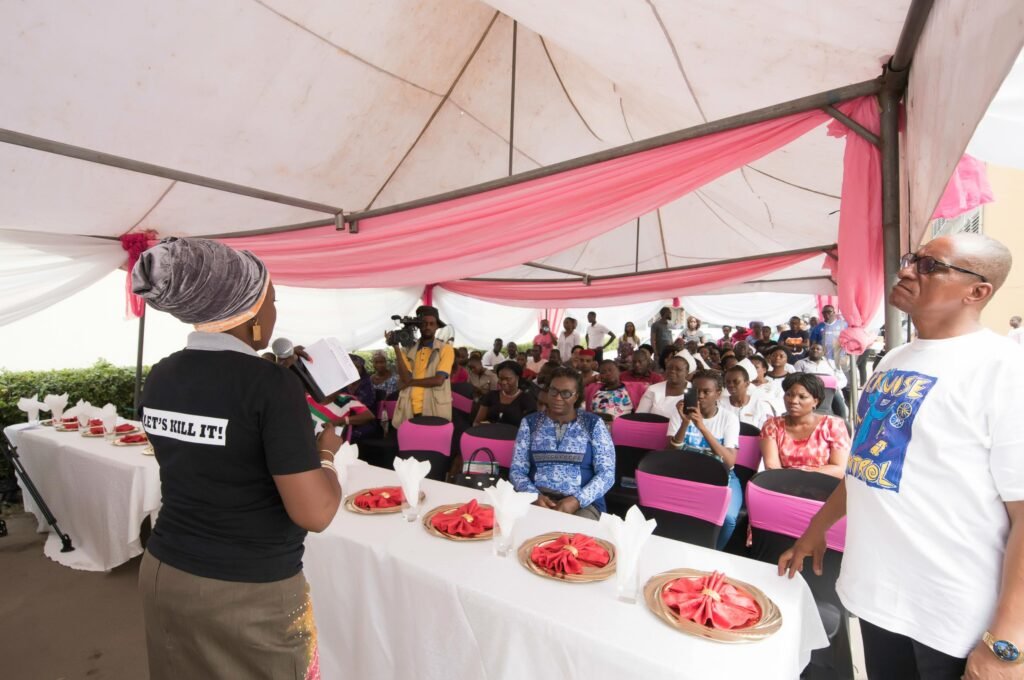
By December 2016, I mobilised friends, family, cancer survivors, caregivers, healthcare professionals, media colleagues and other stakeholders for a cancer support, awareness and empowerment gathering at the Radiotherapy and Oncology Department of Lagos University Teaching Hospital (LUTH), Idi-Araba, Lagos.
Approximately 300 people attended.

They came from different walks of life: business, politics, banking, legal, the oil and gas sector, the media, medicine and other professions.
50 cancer survivors were present, alongside their caregivers and LUTH staff.

But this was more than a gathering.

The information shared and the advocacy delivered during the event opened the eyes of the guests to the broader cancer situation in Nigeria. For many, it was an eye-opening encounter with the realities of cancer in the country, particularly the gaps and challenges within Nigeria's health sector at the time in relation to cancer prevention, diagnosis and treatment, as well as the serious consequences of inadequate cancer awareness.

The conversations went beyond the individual experiences of the patients and survivors present. They brought into focus the wider systemic challenges surrounding cancer care in Nigeria at the time, and the urgent need for greater public awareness, early detection, stronger support systems and improved access to quality cancer care.

The impact of that afternoon extended beyond the venue. For some of the guests, particularly those who had never personally encountered the realities of cancer or cancer care in Nigeria, the event was a revelation. The stories, testimonies and advocacy brought into sharp focus not only the human cost of cancer, but also the state of cancer care in the country, the gaps within the health system, the consequences of inadequate public cancer awareness and the devastating impact of late presentation.

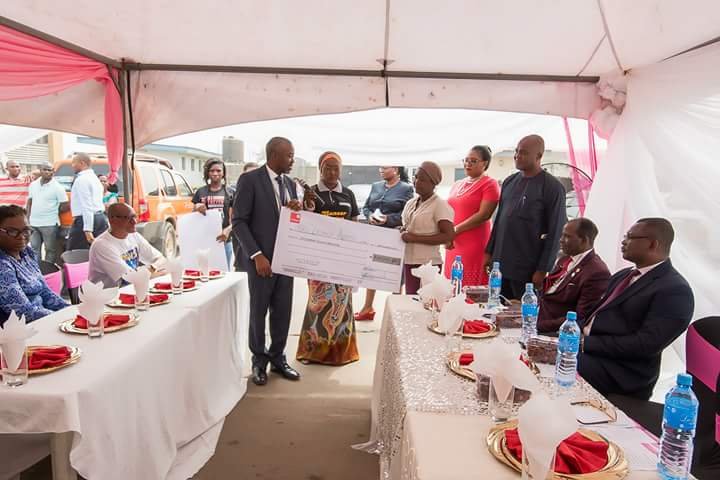
At the same event, I presented Three cancer patients in dire need of financial assistance with support towards their treatment, while 50 others received Christmas gifts.
The message did not stop at the venue.

My journalist colleagues recognised the urgency of the situation. The event became a major news story, receiving television and radio coverage, newspaper headlines that same day/day after and extensive discussion on social media.

I was interviewed alongside the then Head of Oncology and Radiotherapy, Professor T. A. Ajekigbe, as well as other oncology professionals, including Dr. Habeebu, Dr. Adewunmi Alabi and Dr. Gbenro Olukiran.

For me, this was a defining moment. Cancer story had become part of a much larger public conversation and ATINUKE CANCER FOUNDATION was born.